
Introduction
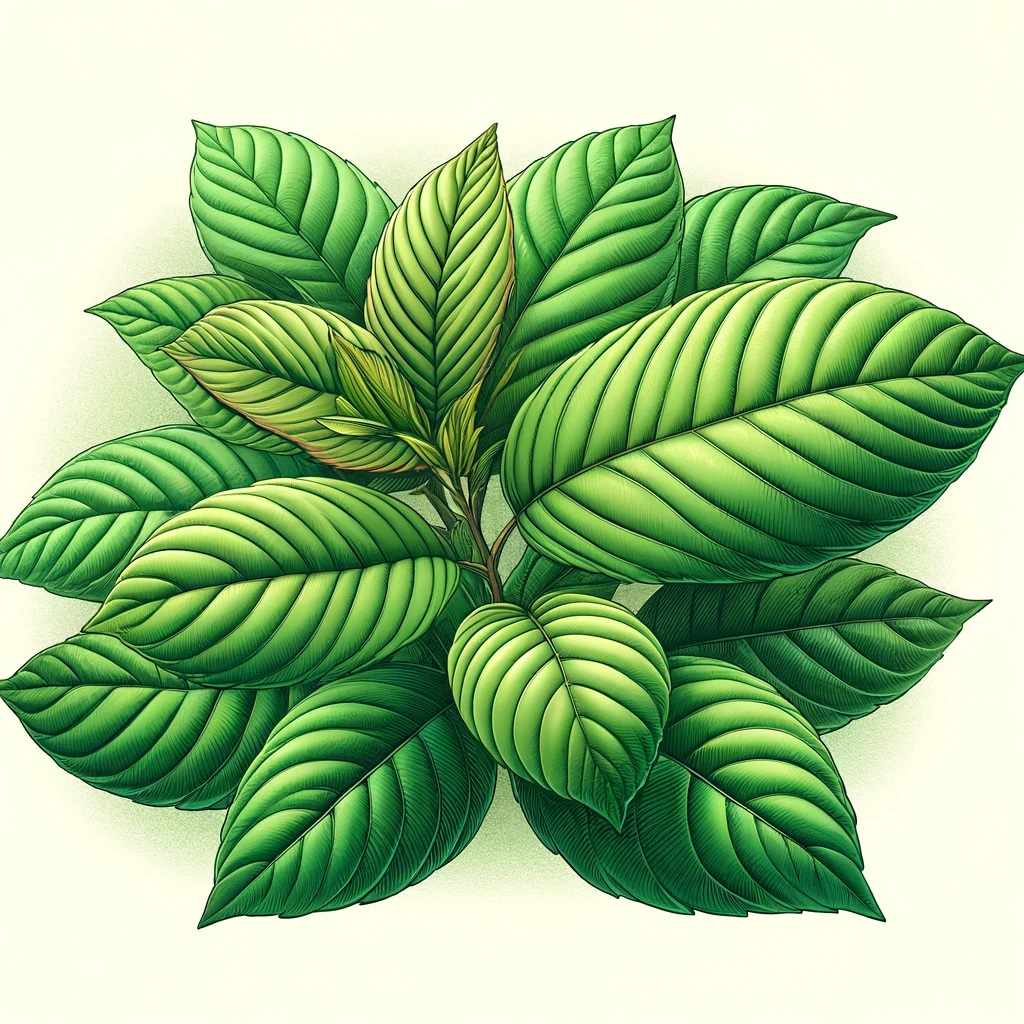
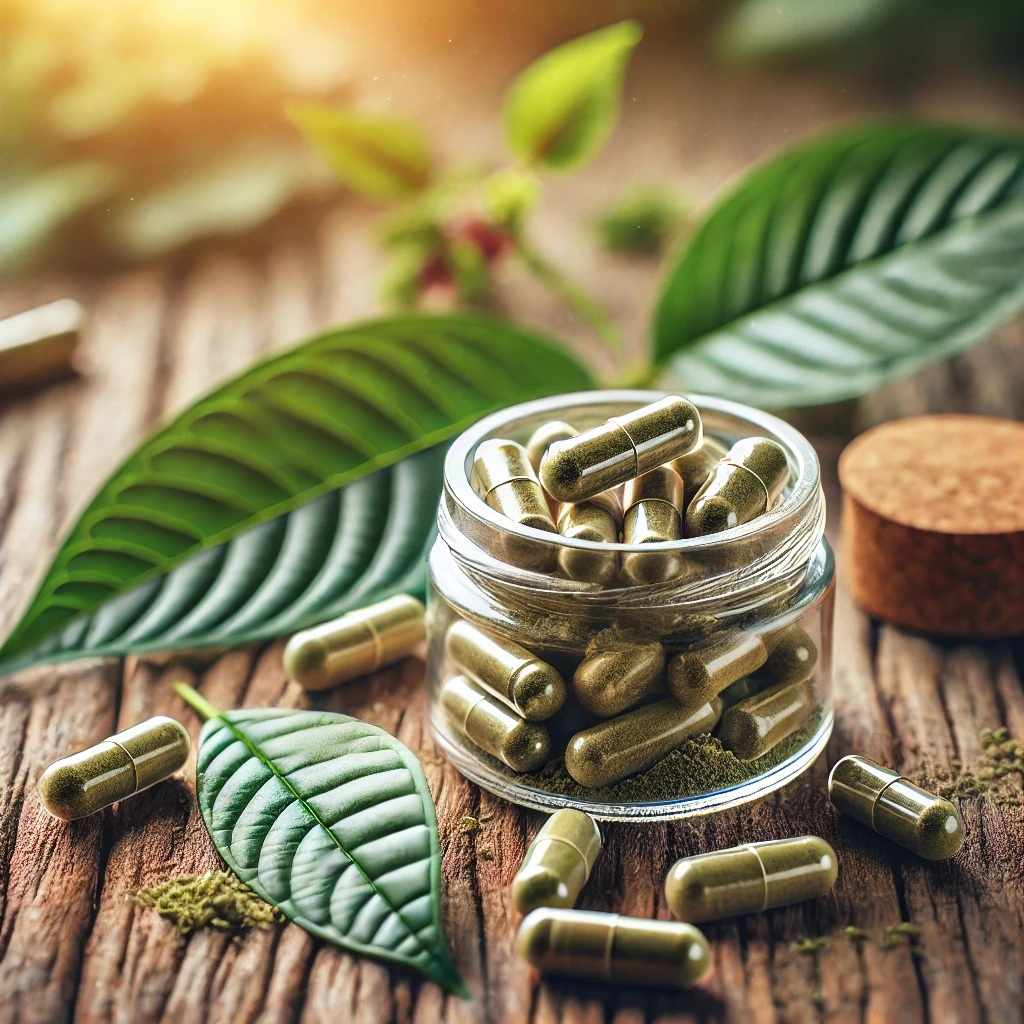
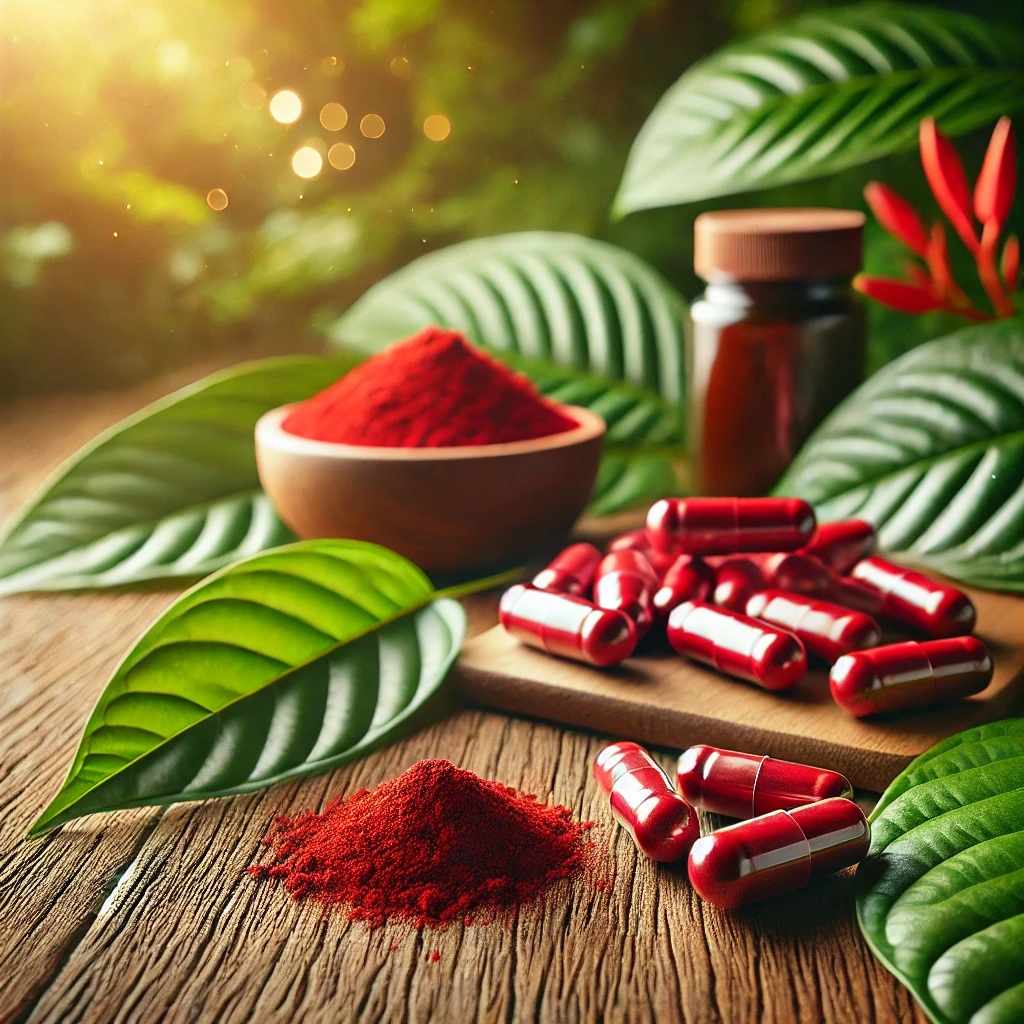
Kratom, derived from the leaves of the tropical tree Mitragyna speciosa, has become a widely discussed botanical in recent years. Native to Southeast Asia, kratom has traditionally been used in countries such as Thailand, Indonesia, and Malaysia for centuries. Today, it is available in several forms, including powder, capsules, extracts, and crushed leaf.
Crushed leaf kratom—sometimes referred to as “pure leaf kratom”—is one of the least processed forms. Because it resembles loose herbal tea, it is often associated with traditional preparation methods. However, growing popularity has also raised important questions about safety, regulation, and scientific understanding.
This guide provides a neutral, research-informed overview of crushed leaf kratom, including how it differs from other forms, how it is typically prepared, potential risks, and the current legal landscape.
What Is Crushed Leaf Kratom?
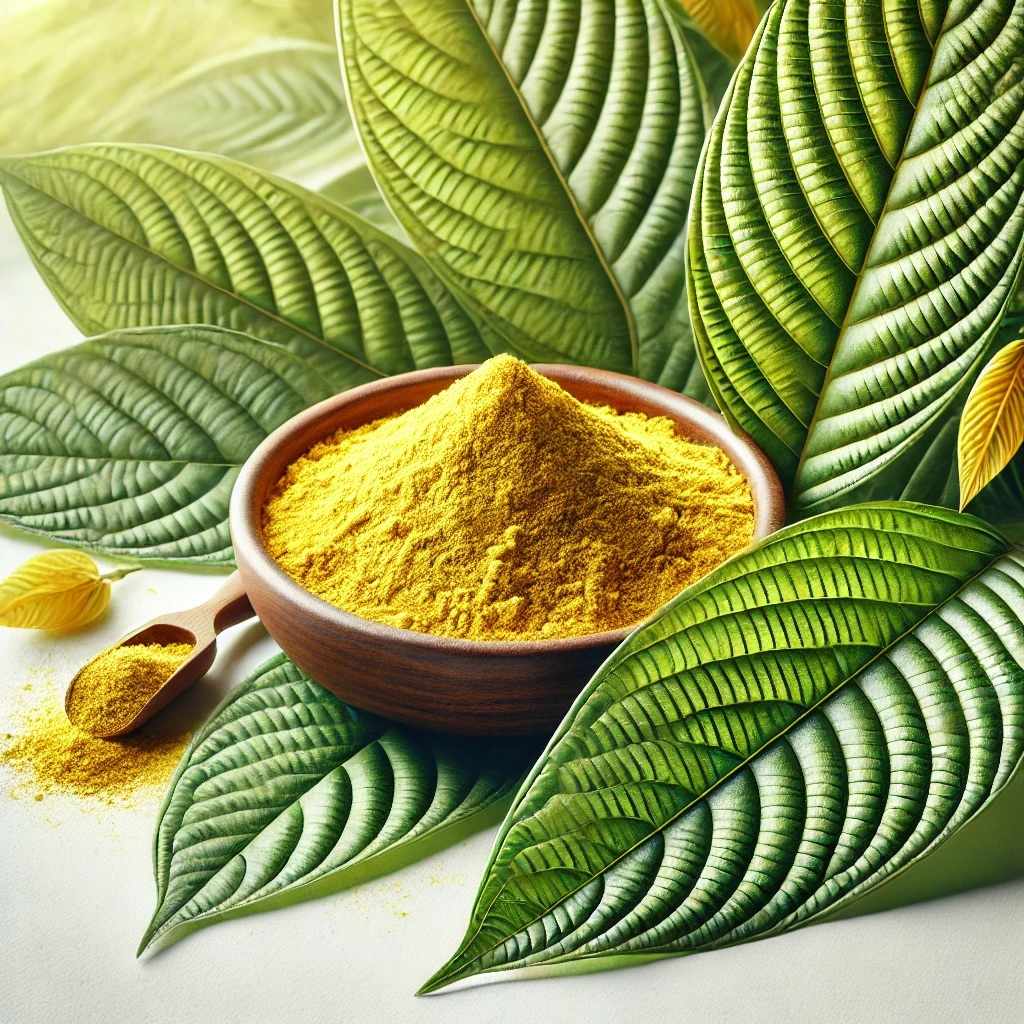
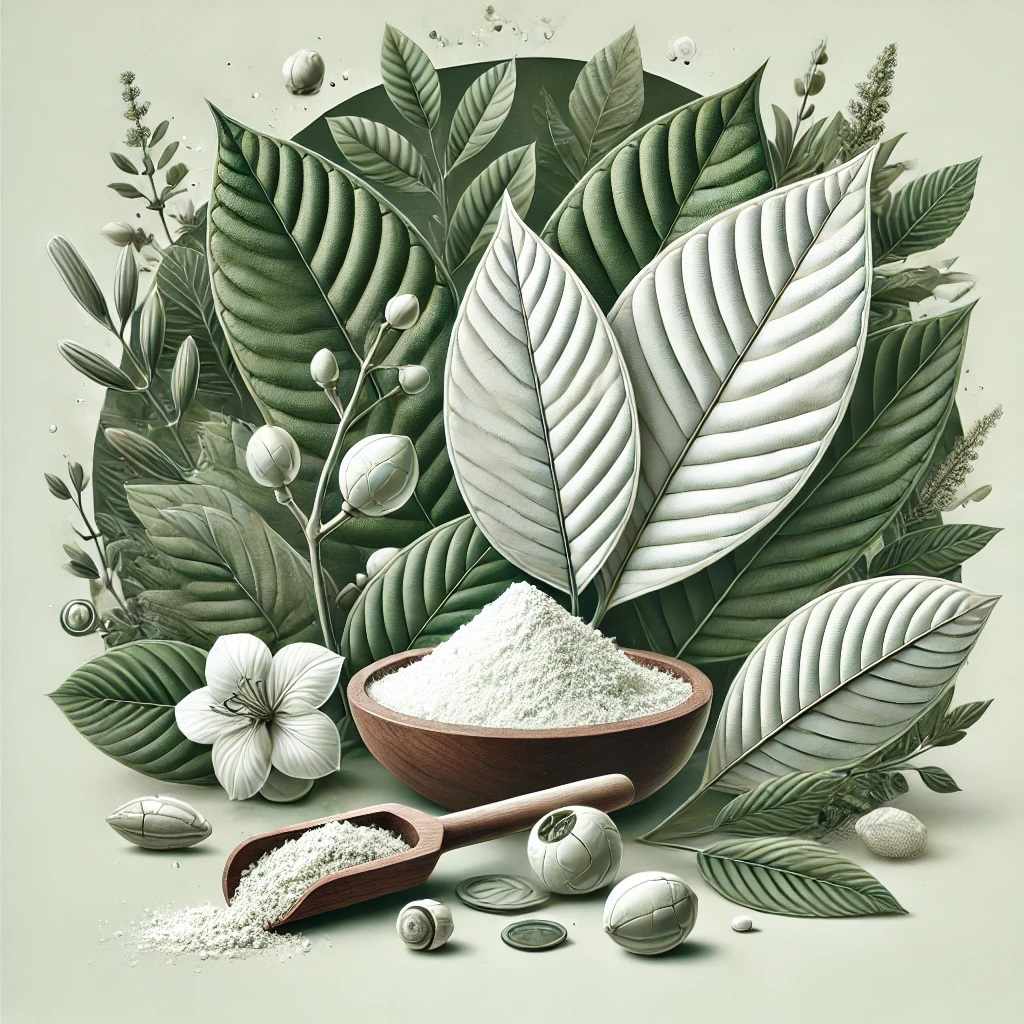
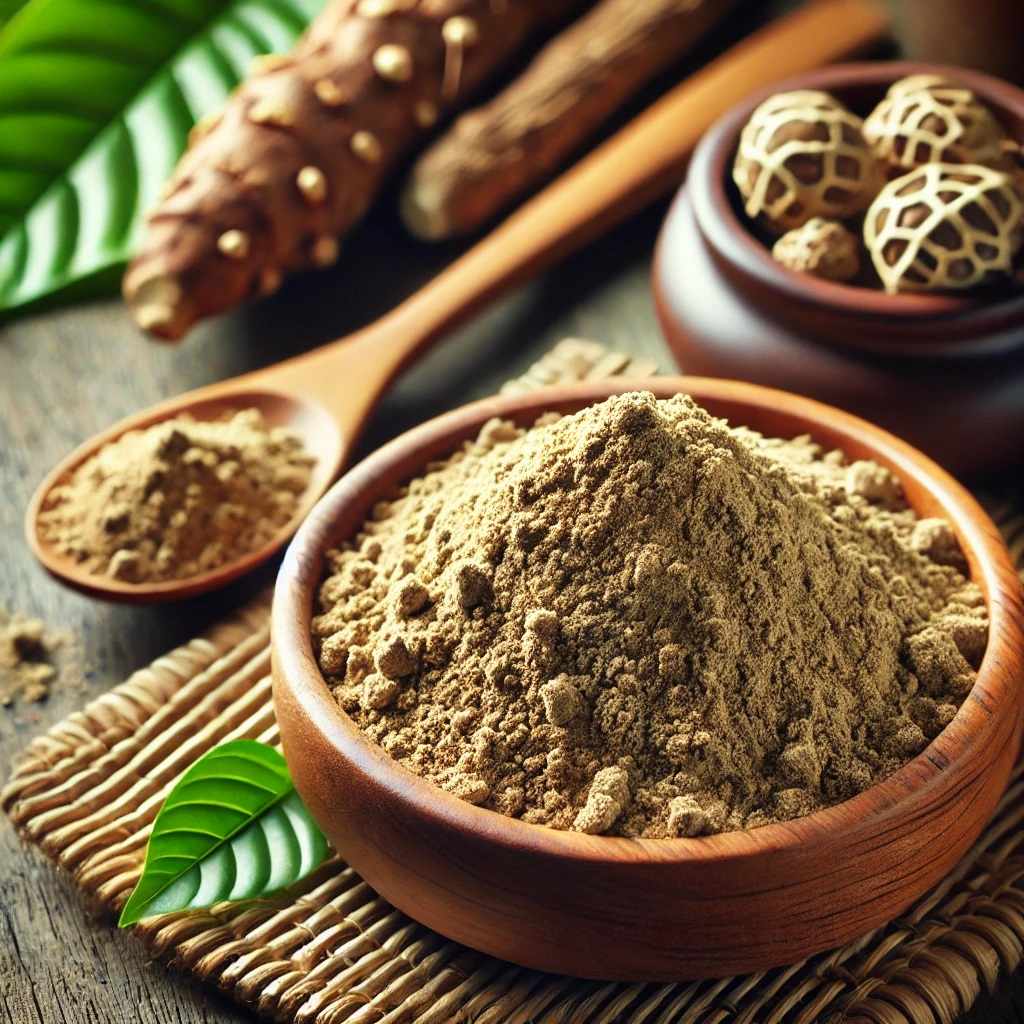
Crushed leaf kratom is made by harvesting mature kratom leaves and drying them before breaking them into coarse pieces. Unlike fine kratom powder, which is ground into a very fine consistency, crushed leaf maintains a texture similar to loose-leaf tea.
How Is It Different From Powder?
FeatureCrushed LeafPowderTextureCoarse, tea-likeFine, flour-likePreparationTypically brewed as teaMixed into liquids or encapsulatedProcessing LevelMinimally processedMore processed (ground finely)FiltrationUsually strainedOften consumed whole
The primary difference lies in preparation and user experience. Crushed leaf is most often steeped in hot water and strained, while powder is typically mixed directly into beverages or taken in capsules.
What Compounds Are Found in Kratom?
Kratom leaves contain dozens of naturally occurring alkaloids. The two most studied are:
Mitragynine
7-hydroxymitragynine
These compounds interact with receptors in the brain. Research suggests they may affect opioid receptors, although kratom is not classified as an opioid. The pharmacology is complex, and scientists continue to investigate how kratom works in the body.
It is important to note:
Research is ongoing.
Effects can vary widely between individuals.
The alkaloid content can differ based on growing conditions, harvesting time, and processing.
Because kratom products are not regulated by the U.S. Food and Drug Administration (FDA), product composition may vary.
Traditional Uses in Southeast Asia
Historically, kratom leaves were chewed fresh or brewed into tea in parts of Southeast Asia. In agricultural communities, kratom was sometimes used in cultural and traditional contexts.
It is essential to distinguish between traditional cultural practices and modern commercial availability. Contemporary products may differ significantly in potency and preparation from traditional uses.
How Is Crushed Leaf Kratom Typically Prepared?
Crushed leaf kratom is commonly prepared as a tea. A general preparation method includes:
Heating water (without bringing it to a full rolling boil).
Adding the crushed leaves.
Simmering or steeping for 10–20 minutes.
Straining out plant material.
Allowing the liquid to cool before consumption.
Some individuals add lemon juice, honey, or other flavoring agents to reduce bitterness.
Because this method filters out plant material, some believe it may produce a different experience compared to consuming powder directly. However, scientific comparisons between forms remain limited.
Potential Effects and Variability
Reports of kratom’s effects vary significantly. Some individuals describe stimulant-like effects at lower amounts and more sedating effects at higher amounts. However, these descriptions are anecdotal and not universally experienced.
Factors that influence variability include:
Body chemistry
Tolerance
Product potency
Preparation method
Interactions with other substances
Due to the lack of standardized manufacturing and dosing, predicting effects can be difficult.
Known Risks and Safety Concerns
While kratom is plant-derived, “natural” does not necessarily mean safe. Health authorities have raised several concerns.
1. Dependence and Withdrawal
There are documented cases of dependence associated with regular kratom use. Some individuals report withdrawal symptoms after discontinuation, including:
Irritability
Insomnia
Muscle aches
Mood changes
2. Adverse Effects
Reported side effects include:
Nausea
Constipation
Dizziness
Increased heart rate
Dry mouth
In rare cases, more serious concerns such as liver toxicity have been reported.
3. Interaction With Other Substances
Kratom may interact with:
Prescription medications
Alcohol
Other central nervous system depressants
Opioids
Combining substances can increase the risk of adverse reactions.
4. Lack of Regulation
In the United States, kratom is not approved by the FDA for any medical use. Products may vary in purity and potency, and contamination has been reported in some cases.
Consumers should be cautious about:
Products lacking third-party testing
Unverified health claims
Inconsistent labeling
What Does the Research Say?
Scientific research on kratom is ongoing but limited compared to approved medications. Some studies are exploring its pharmacological profile and potential public health implications.
However:
There are no FDA-approved uses for kratom.
Long-term safety data remains limited.
Standardized dosing guidelines do not exist.
Public health agencies continue to monitor kratom due to concerns about misuse and health risks.
Is Kratom Legal?
Kratom’s legal status varies by country and, in the United States, by state and municipality.
In the United States:
Kratom is legal at the federal level.
Some states and cities have banned or restricted it.
Internationally:
Some countries prohibit kratom entirely.
Others allow limited possession or use.
Because laws change, individuals should verify the most recent regulations in their specific location before purchasing or possessing kratom.
Storage and Handling Considerations
If someone possesses crushed leaf kratom where it is legal, proper storage can help preserve quality and reduce contamination risk.
General storage recommendations include:
Keep in an airtight container.
Store in a cool, dry place.
Avoid exposure to direct sunlight.
Keep out of reach of children and pets.
Moisture exposure can increase the risk of mold growth.
Why Is There So Much Debate Around Kratom?
Kratom occupies a complex position in public health discussions. Some advocacy groups argue for responsible regulation rather than prohibition, while certain medical and regulatory authorities warn of safety risks.
Key reasons for debate include:
Lack of standardized regulation
Reports of misuse
Potential for dependence
Limited long-term studies
Variability in product quality
Because perspectives differ among researchers, policymakers, and consumers, kratom remains a controversial topic.
Frequently Asked Questions (FAQ)
What is crushed leaf kratom?
Crushed leaf kratom is dried kratom leaf broken into coarse pieces rather than ground into fine powder. It is most commonly prepared as a tea by steeping and straining the leaves.
Is crushed leaf safer than powder?
There is no conclusive scientific evidence that crushed leaf is inherently safer than powder. Differences in preparation methods may affect how it is consumed, but safety depends on many variables, including dosage, frequency, and individual health factors.
How long do kratom effects last?
Reports vary widely. Some individuals describe effects lasting several hours. However, duration can depend on preparation method, potency, individual metabolism, and other factors.
Can kratom cause addiction?
There are documented cases of dependence and withdrawal symptoms associated with regular use. Risk appears to increase with frequent or high-amount consumption.
Does the FDA approve kratom?
No. Kratom is not approved by the U.S. Food and Drug Administration for any medical purpose.
Are there drug interactions?
Yes. Kratom may interact with prescription medications, alcohol, and other substances. Individuals taking medications should consult a qualified healthcare professional before using any botanical product.
Is kratom legal everywhere?
No. Legal status varies by country, state, and city. Laws can change, so it is important to verify current regulations locally.
How can someone reduce risks?
Risk-reduction steps may include:
Avoiding mixing with other substances
Verifying product testing (where available)
Avoiding use if pregnant or breastfeeding
Consulting a healthcare provider if taking medications
However, no use can be considered completely risk-free.
Final Thoughts
Crushed leaf kratom is one of several forms of Mitragyna speciosa available today. While it has traditional roots in Southeast Asia, modern availability presents new considerations regarding safety, quality control, and regulation.
Scientific understanding of kratom continues to evolve. Individuals seeking information should rely on reputable health sources, stay informed about legal developments, and approach botanical substances with caution.
Because kratom products are not FDA-approved and may carry risks—including dependence and adverse effects—consulting a healthcare professional before use is strongly advised.
About TopExtracts
TopExtracts is an online retailer focused on botanicals—most prominently kratom products (extracts, powders, capsules, drinks) and also mentions other botanicals like kava.









Write a comment ...