
Kratom tea drinks are beverages prepared by steeping kratom leaves or powder in hot water, often strained and flavored before drinking. Many people prefer tea over other forms because it allows for more control over taste, preparation style, and overall experience. As interest in plant-based beverages grows, kratom tea has become one of the most discussed ways people explore kratom in a traditional, drinkable form.
This guide explains what kratom tea drinks are, how they’re commonly prepared, the different variations people use, and what’s important to understand before trying them. The goal is clarity—not promotion—so readers can make informed decisions.
What Are Kratom Tea Drinks?
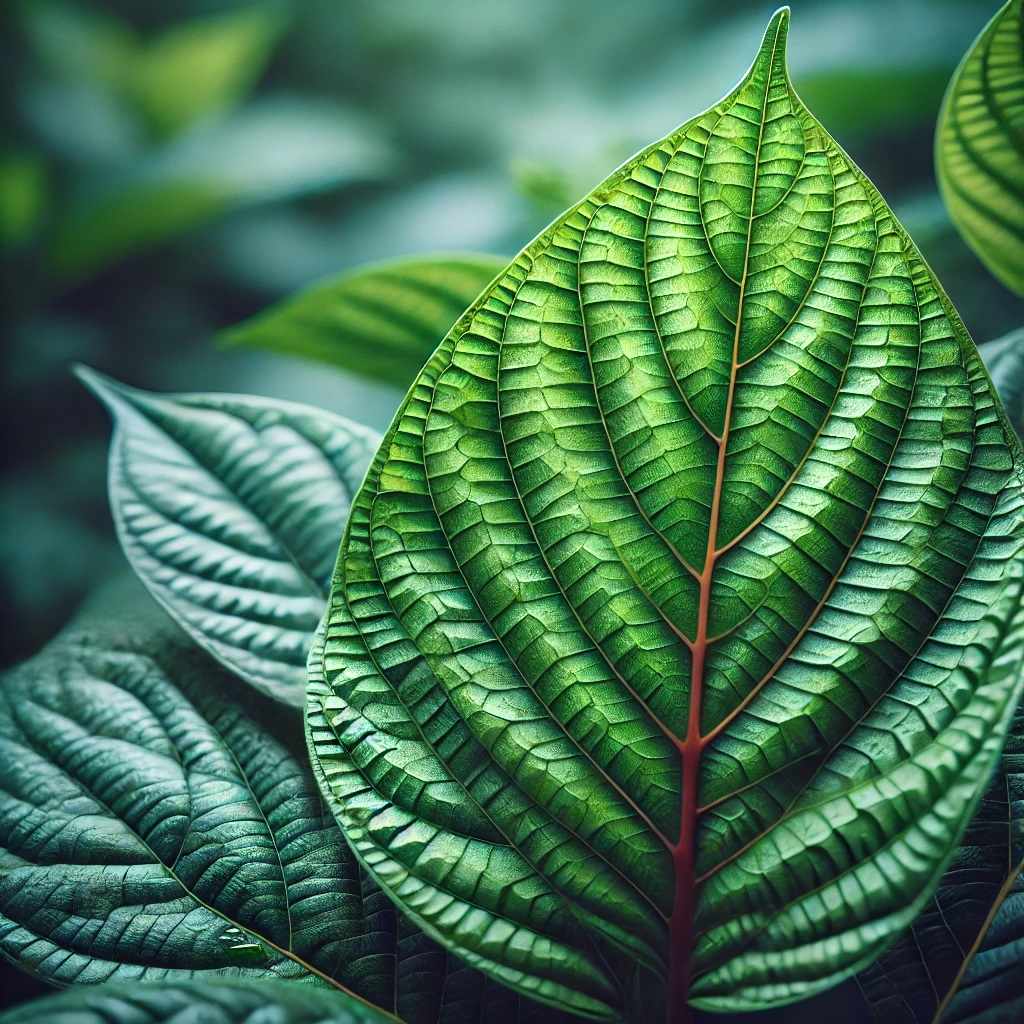
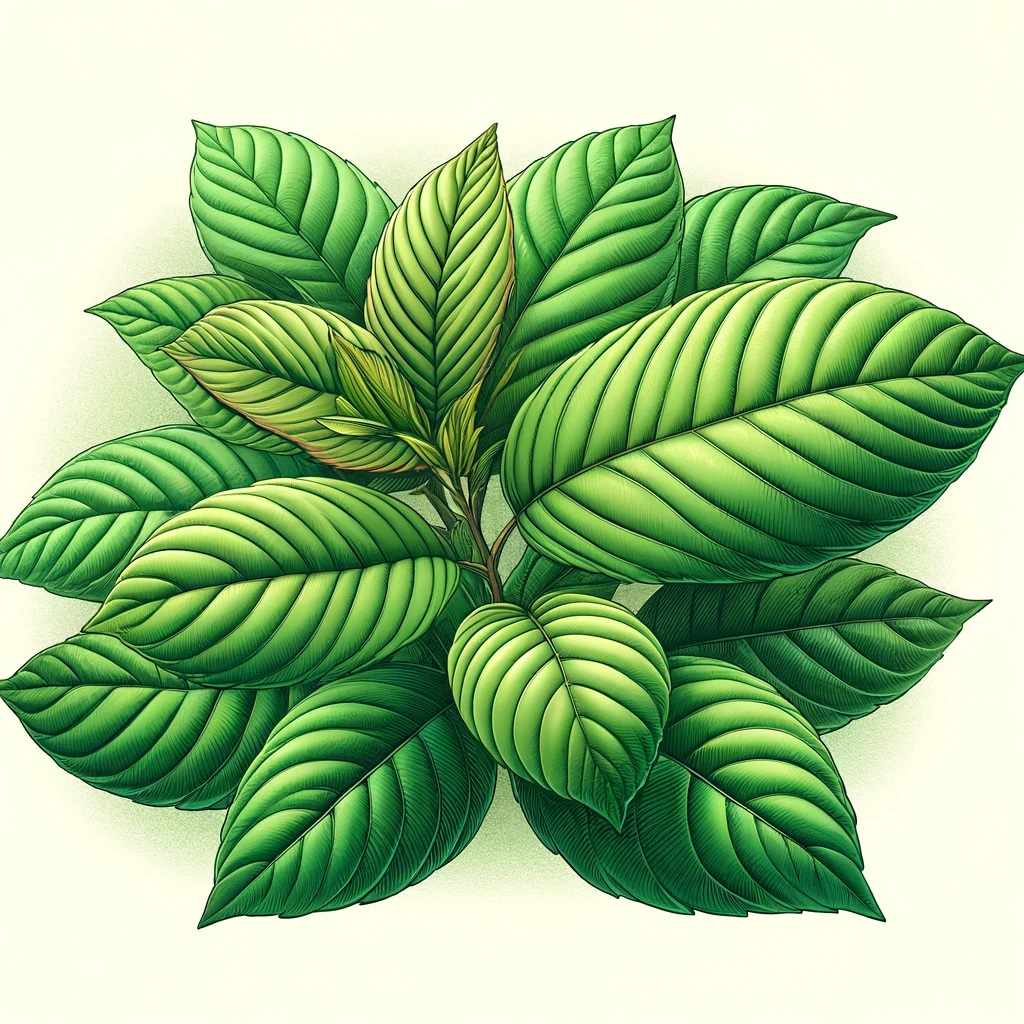
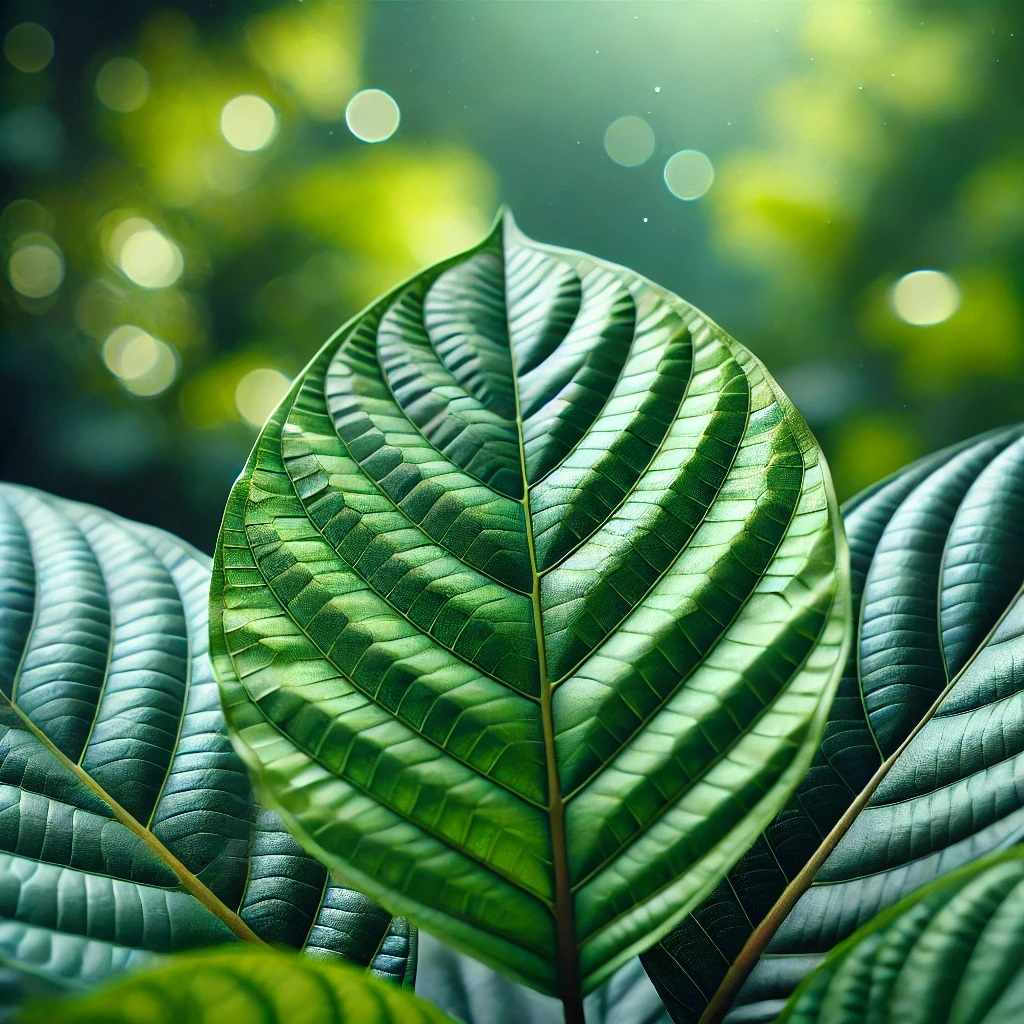
Kratom tea drinks are made from the leaves of the Mitragyna speciosa tree, a tropical plant native to Southeast Asia. Instead of consuming kratom in raw or encapsulated form, the leaves or powder are steeped in hot water to create a tea-like beverage.
Traditionally, kratom leaves were brewed as a tea in regions where the plant grows naturally. Today, kratom tea drinks are prepared in many modern variations, often incorporating citrus, herbs, or natural flavorings to adjust bitterness and aroma.
Unlike herbal teas such as chamomile or mint, kratom tea has a more earthy and bitter taste profile, which is why preparation methods and additions matter so much to those who choose this form.
Why Do People Choose Kratom in Tea Form?
People choose kratom tea for a variety of practical and experiential reasons rather than convenience alone.
One common reason is taste control. Brewing kratom as a tea allows users to strain out plant material and add ingredients like lemon, ginger, or honey, which many find improves the overall drinking experience.
Another reason is preparation preference. Some people enjoy the ritual of making tea—heating water, steeping leaves, and customizing flavors—rather than consuming kratom quickly in other forms.
There’s also a perception that tea offers a lighter, more gradual experience, since preparation methods can influence concentration and strength. For many, kratom tea feels more aligned with traditional or cultural practices compared to modern alternatives.
How Is Kratom Tea Traditionally Prepared?
While there’s no single universal method, traditional kratom tea preparation follows a few common steps.
Basic Preparation Overview
Water is heated, usually just below boiling.
Kratom leaves or powder are added to the water.
The mixture is simmered or steeped for a set period.
The liquid is strained to remove plant material.
Optional flavoring ingredients are added.
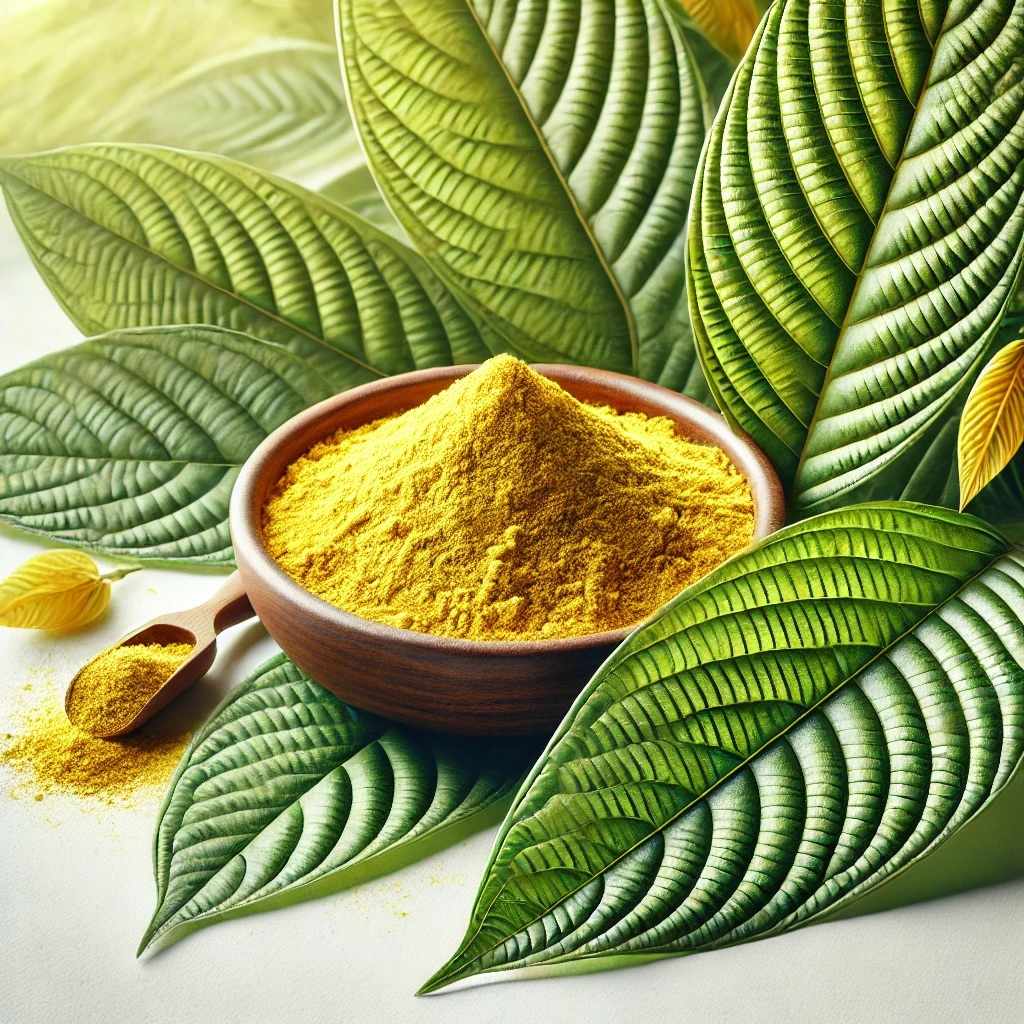
Some people prefer using crushed or whole leaves, while others use finely ground powder. Leaf-based tea is often strained more easily, while powder-based tea may require careful filtering.
Role of Acidity and Flavoring
Many kratom tea drinkers add citrus juice—such as lemon or lime—during or after brewing. From a preparation standpoint, citrus helps balance bitterness and contributes to a smoother taste. Herbal additions like ginger, cinnamon, or mint are also commonly used for aroma and warmth.
Sweeteners such as honey or agave are typically added after straining, allowing the drinker to adjust flavor without affecting the brewing process.
What Are the Most Common Types of Kratom Tea Drinks?
Kratom tea isn’t a single drink—it’s a category with several popular variations.
Plain Kratom Leaf Tea
This is the most traditional form. Kratom leaves are simmered in water and strained, producing a strong, earthy beverage with minimal additions. People who prefer this version often value simplicity and tradition.
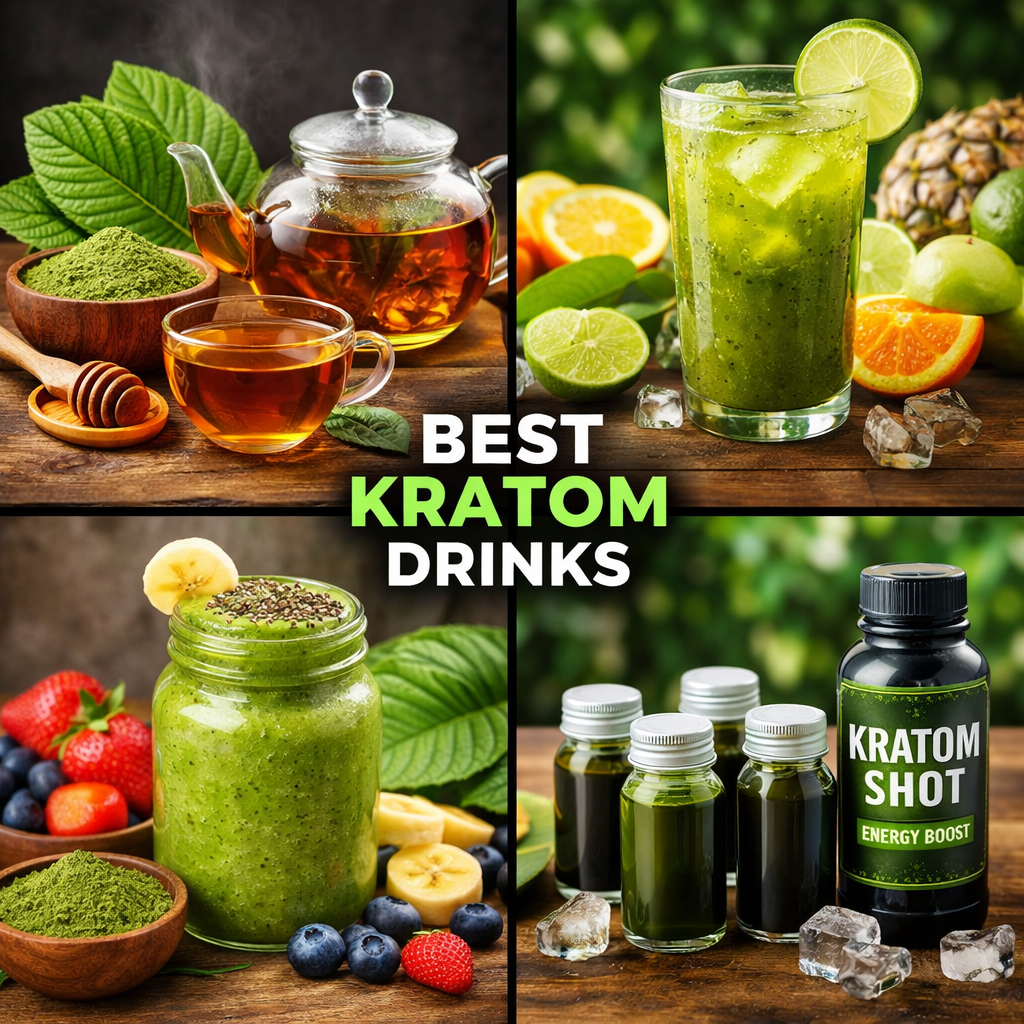
Citrus-Infused Kratom Tea
This variation includes lemon, lime, or orange juice added during or after brewing. Citrus-infused teas tend to have a brighter flavor profile and are popular among those sensitive to bitterness.
Iced Kratom Tea Drinks
After brewing, the tea is cooled and served over ice. Some people add fruit slices or light sweeteners. Iced kratom tea is commonly chosen in warmer climates or as a refreshing alternative to hot beverages.
Herbal-Blend Kratom Teas
In this variation, kratom is brewed alongside non-caffeinated herbs such as chamomile, ginger, or peppermint. These blends are often chosen for taste complexity and a more familiar tea-like experience.
How Does Kratom Tea Compare to Other Kratom Forms?
Kratom can be consumed in several formats, each with different preparation methods and user preferences.
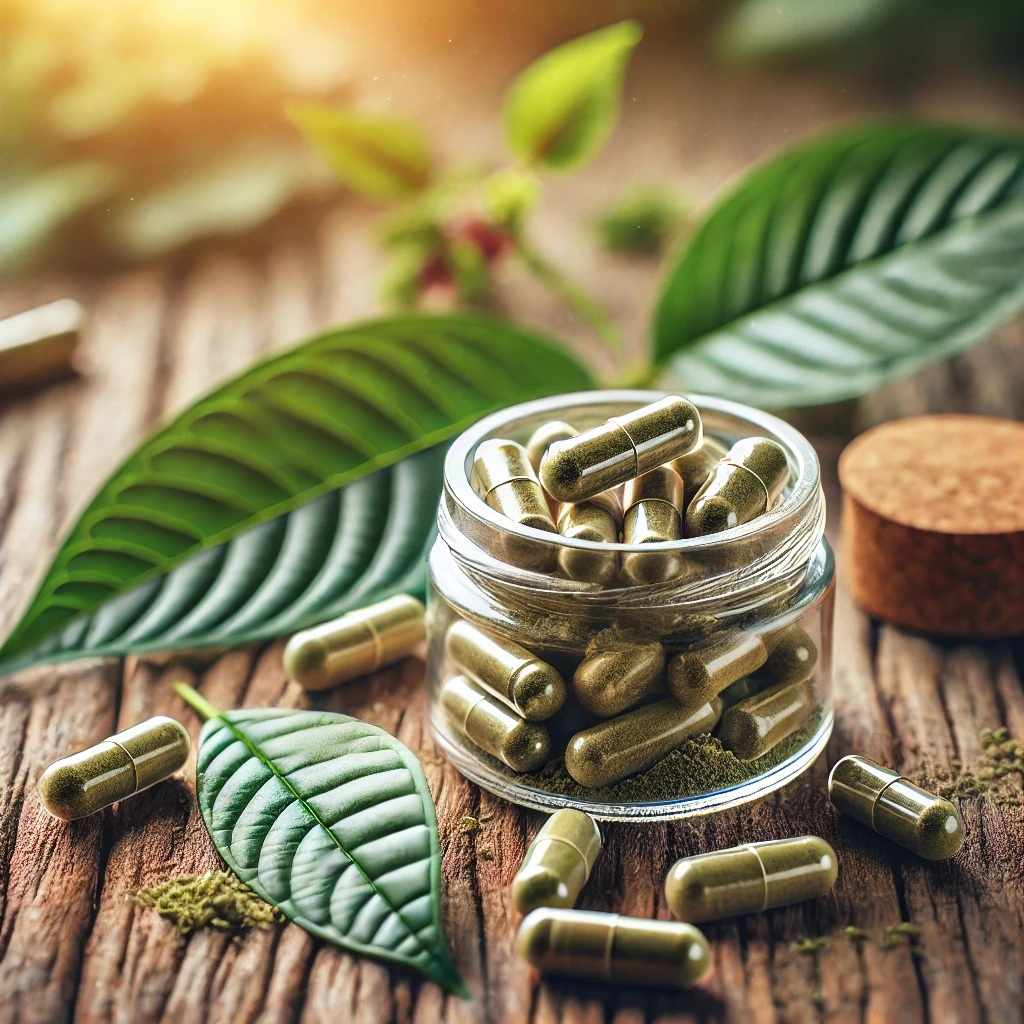
FormPreparationTasteCommon PreferenceTeaSteeped and strainedEarthy, customizableRitual-focused usersPowderMixed or consumed directlyStrong, bitterConvenience-focusedCapsulesSwallowedNo tastePortabilityExtractsConcentrated liquidIntenseExperienced users
Kratom tea stands out because it allows for customization and a slower, more intentional preparation process. While it requires more time than capsules or powders, many people feel the experience itself is part of the appeal.
What Should People Know Before Trying Kratom Tea?
Before preparing or consuming kratom tea, there are several important considerations.
Legal Awareness
Kratom’s legal status varies by country, state, and even city. Anyone interested in kratom tea should research local regulations before purchasing or using kratom products.
Responsible Use
Kratom tea should be approached with moderation and awareness. Preparation strength can vary widely based on leaf type, quantity, and brewing time, which is why consistency and caution matter.
Individual Sensitivity
People respond differently to plant-based products. Factors such as body chemistry, tolerance, and preparation method can all influence how kratom tea is experienced.
This guide is informational only and does not replace professional or legal advice.
What Do First-Time Kratom Tea Drinkers Often Notice?
First-time kratom tea drinkers often comment on the taste, especially compared to other beverages. Earthy bitterness is common, which is why many people experiment with flavor additions early on.
Another common observation is the preparation process itself. Brewing tea requires more time and attention than other methods, which can feel either enjoyable or inconvenient depending on the person.
Many also note that finding the right balance—between strength, flavor, and volume—takes experimentation. This learning curve is normal and part of why kratom tea is often described as a more hands-on option.
What Are Common Mistakes When Preparing Kratom Tea?
One frequent mistake is overheating. Boiling kratom aggressively can lead to excessive bitterness and an unpleasant taste. Gentle simmering or steeping is typically preferred.
Another mistake is skipping straining, especially when using powder. Unstrained tea can have a gritty texture that many people find off-putting.
Finally, adding sweeteners or flavorings too early in the process can make it harder to adjust taste later. Most experienced tea drinkers add these ingredients after brewing.
How Do Taste Preferences Change Over Time?
Taste preferences often evolve as people experiment with different preparation styles. Some start with heavily flavored teas and gradually reduce additives as they become more accustomed to kratom’s natural profile.
Others move in the opposite direction, discovering herbal blends or iced versions that better fit their lifestyle. This flexibility is one reason kratom tea drinks continue to appeal to a wide range of users.
Frequently Asked Questions About Kratom Tea Drinks
Is kratom tea stronger than other forms?
Strength depends on preparation, not just format. Kratom tea can be lighter or stronger depending on how much kratom is used, how long it’s brewed, and whether it’s strained.
Does kratom tea taste bitter?
Yes, kratom tea is naturally bitter and earthy. Many people use citrus, herbs, or sweeteners to balance the flavor.
Can kratom tea be served cold?
Yes. Iced kratom tea is a popular option, especially in warm weather. It’s typically brewed hot first and then cooled.
How long does kratom tea last after preparation?
Freshly brewed tea is usually consumed the same day. If stored in the refrigerator, some people keep it for a short period, but freshness and taste may change.
Is kratom tea legal everywhere?
No. Kratom laws vary by location. Always check local regulations before purchasing or preparing kratom tea.
What’s the difference between kratom tea and herbal tea?
While both are plant-based, kratom tea comes from Mitragyna speciosa, which is distinct from traditional culinary herbs. Preparation methods may be similar, but the plants are different.
Can kratom tea be flavored like regular tea?
Yes. Many people treat kratom tea similarly to herbal tea by adding citrus, spices, or natural sweeteners.
Is kratom tea the most traditional way to consume kratom?
Historically, brewing leaves into a tea is one of the traditional preparation methods used in Southeast Asia.
Final Thoughts
Kratom tea drinks offer a customizable, traditional way to explore kratom that prioritizes preparation and experience. From simple leaf teas to citrus-infused or iced variations, the flexibility of kratom tea allows people to tailor it to their preferences.
Understanding how kratom tea is prepared, how it differs from other forms, and what to consider beforehand helps set realistic expectations. For those interested in plant-based beverages, kratom tea remains a topic worth learning about through clear, responsible, and experience-driven information.
What Is Top Extracts?
Top Extracts is a U.S. company specializing in kratom products — including powders, extracts, capsules, and ready-to-mix kratom drinks. The brand operates primarily online and has been in the kratom space for many years, building a reputation for quality and experience in the botanical supplement market.
Founded in the mid-2010s, the business is based in Lisle, Illinois (Greater Chicago) and serves customers across the U.S. through its e-commerce site







Write a comment ...